Useful Layers / Field guide
First filament: PLA or PETG?
Choose a first material by the project, then check the spool format and feed system. A practical guide based on manufacturer documentation, not a tested brand ranking.
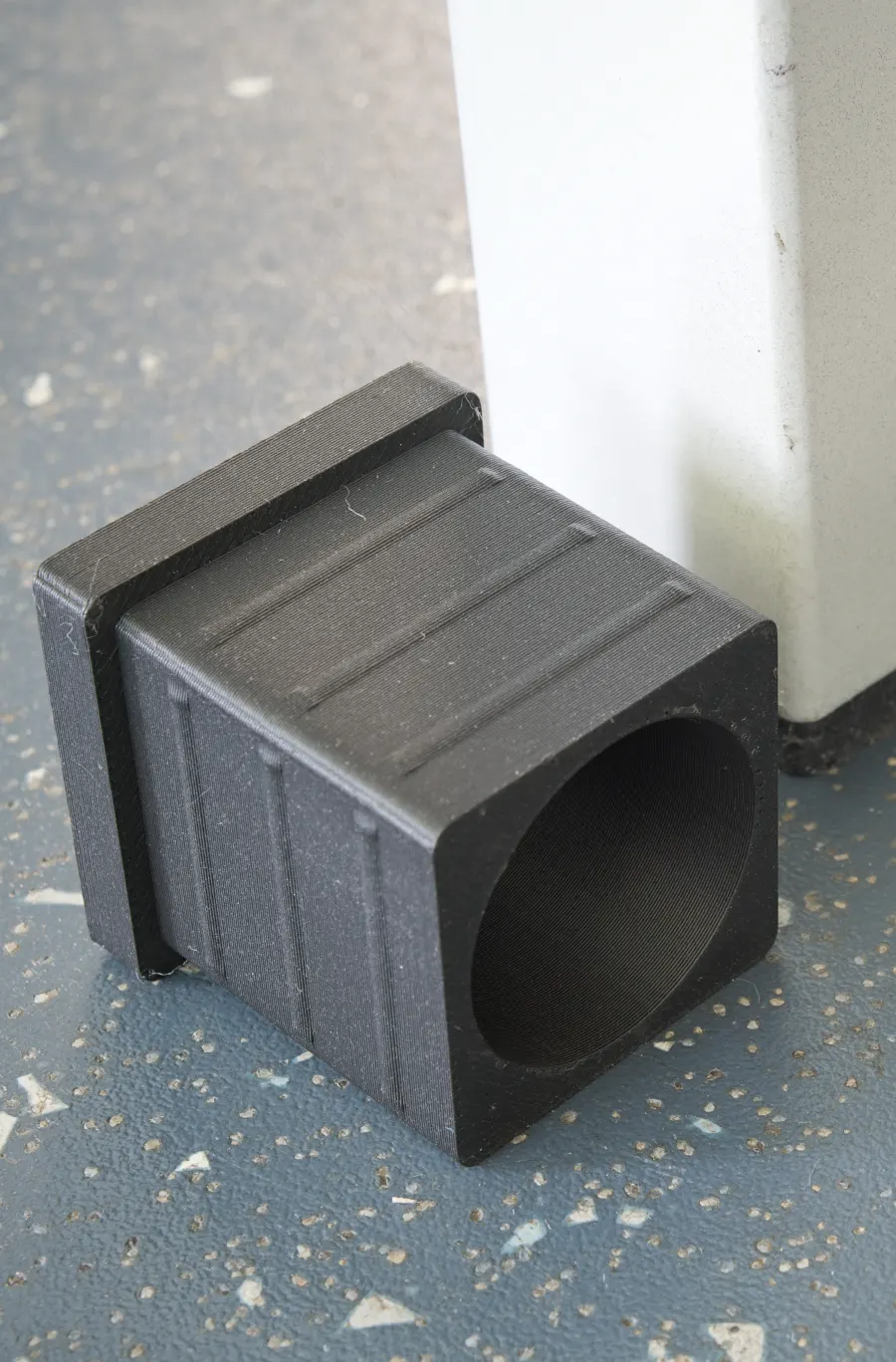

For a first decorative model or prototype, start by considering PLA. For a functional part that needs more toughness, compare PETG—then check your printer, plate and the part’s requirements. Buying a larger color pack can wait until you know what you want to make.
Method: Manufacturer documentation checked October 1, 2026. These recommendations explain material tradeoffs; we have not physically compared filament brands or tested the finished parts.
PLA: a practical starting point for models
Prusa’s PLA guidance describes low warping and good detail, making PLA a useful option for learning with models and prototypes. It also identifies brittleness and low heat and UV resistance. That first decorative print does not establish suitability for a hot, outdoor or load-bearing application.
Use the profile for your printer and exact filament. Prusa’s temperatures and plate instructions describe its hardware; they are not settings to copy unchanged to another machine.
PETG: consider it when the project needs toughness
Prusa’s PETG guidance identifies toughness and good layer adhesion, with stringing, weaker bridging and strong plate adhesion among the tradeoffs. These help you compare materials for a functional object. They do not establish how much weight an arbitrary printed part can hold.
Check your build-surface instructions before changing material. A suitable filament can still require different plate preparation and removal instructions.
Make the first choice in three steps
- Name the job. A display model and a working bracket have different requirements. Follow the model author’s material guidance where provided, then assess whether it covers your intended use.
- Check the hardware. Match the exact filament to the printer profile, nozzle, plate and feed system. Material support does not establish that every spool fits an automatic color unit.
- Choose the package. Check diameter, color, weight and whether the filament includes a spool. A refill needs a compatible reusable reel; our spool-or-refill guide explains that purchase decision.
You do not need a brand-performance ranking to narrow this first order. Start with a material suited to your model, one color you will use and a package your setup can feed.
Put the first roll in your budget
Our starter-cost guide includes one extra retail kilogram as a budgeting allowance. Its dated US selections make the arithmetic inspectable; they are not current quotes or a guarantee of a number of successful prints.
Use the budget planner with the price of your selected package, then add tax and shipping. Before ordering, reopen the exact selection and check the seller’s current compatibility instructions.
Once you choose PLA, compare the cost of one spooled kilogram. Check which accessories can wait before adding an upgrade kit to that first order.
Keep the opened roll ready
Separate storing dry filament from drying a moist roll in the storage guide. For the hardware decision, compare three printer models and five exact starter configurations.
Sources
- Prusa PLA material guidance — last checked: 2026-10-01 (Manufacturer material guidance; its printer-specific settings are not universal settings for other machines.)
- Prusa PETG material guidance — last checked: 2026-10-01
- Anycubic US refill package and spool options — last checked: 2026-10-01